
What Does a New Construction Home Cost Beyond the Mortgage Payment?
By JayeLin Broussard, MBA, Housing Clarity Advisor | REALTOR®, Local Pro Realty · October 25, 2026 · 5 min read
At a glance
Beyond principal and interest, a new construction home can cost you property taxes, homeowners insurance, HOA dues, MUD taxes or PID assessments, and move-in purchases. Ask for each cost and the assumptions behind the payment in writing.
Why the builder's estimate is a starting point
A builder's estimated payment is built on assumptions. It uses a certain interest rate, a certain down payment, and a certain number for taxes and insurance. Change any one of those, and the payment changes.
That does not make the estimate wrong. It means you should know what is inside it. Ask for each piece in writing.
Check what is already in the quoted payment
Before you add up extra costs, find out which ones the builder's estimate already includes. Many estimates include property taxes and homeowners insurance in the monthly payment through an escrow account. HOA dues and MUD or PID costs may or may not be included. Ask for a line-by-line breakdown so you do not count the same cost twice, or miss one entirely.
When the payment changes: escrow and your first full tax bill
Most buyers pay property taxes through an escrow account. Each month, part of your mortgage payment goes into that account, and your lender pays the tax bill for you when it comes due.
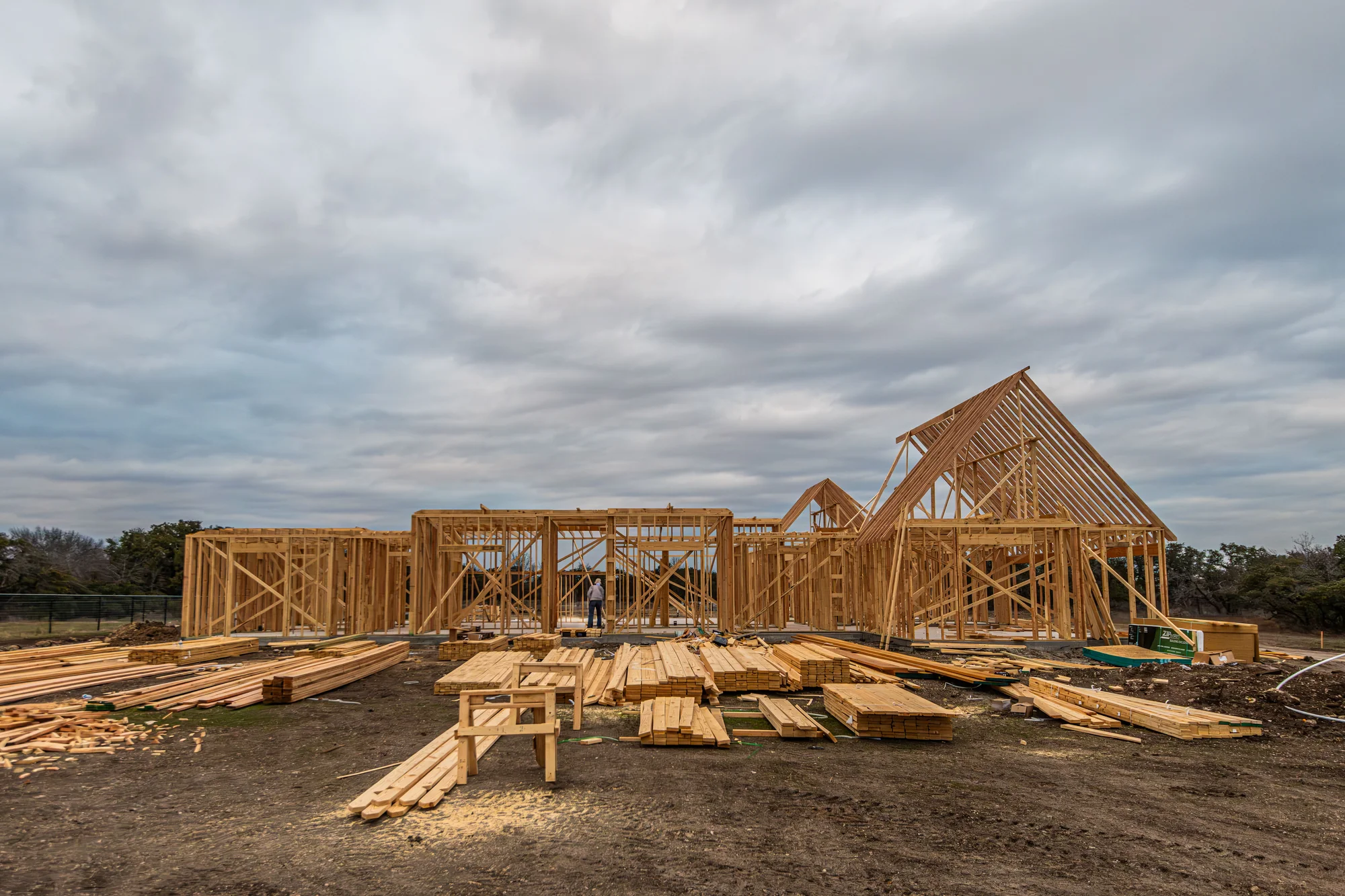
Here is where new construction can surprise you. If your home was not finished on January 1, your first tax bill may be based on a partly built home, or even just the lot. Your escrow payment is set to match that lower bill.
Then the home is valued as finished, and the tax bill goes up. Your lender reviews your escrow account, usually once a year. If the account did not collect enough to cover the higher bill, you have an escrow shortage.
That can change your budget in two ways:
You may be asked to cover the shortage, either in one payment or spread across the next year of payments.
Your monthly payment goes up going forward, because it now has to cover the higher tax bill.
This is not a mistake by your builder or your lender. It is how the timing works. But it is easier to plan for when you see it coming.
What you can do now:
Ask what tax figure your payment estimate uses, and whether it is based on the lot, a partly built home, or the finished home.
Ask for an estimate of the tax bill once the home is fully valued.
Set aside money each month for the difference, so a higher payment feels expected instead of sudden.
Homestead exemption. Once you own the home and live in it as your primary residence, file for a homestead exemption with your county appraisal district (Collin CAD or Denton CAD). A homestead exemption lowers your taxable value. It can also limit how much that value can rise each year. It does not happen automatically, so add it to your move-in checklist.
The costs to look for
Property taxes. In Texas, property taxes are often one of the biggest parts of the monthly payment. Your total rate combines the city, county, school district, and any special districts.
Here is a detail many buyers miss. Texas appraisal districts value property at market value as of January 1. If your home was still being built on that date, your first tax bill may not reflect the finished home. Later bills can be higher, so plan for that when you budget.
MUD taxes or PID assessments. Some newer communities use a Municipal Utility District, called a MUD, to pay for things like water and sewer lines. A MUD can charge its own property tax. Texas requires sellers to give buyers a MUD notice before the contract is signed. Read it closely. Also ask whether the home is in a Public Improvement District, called a PID, which can add its own yearly assessment.
HOA dues. Ask for the amount, what it covers, and whether there are one-time fees at closing.
Homeowners insurance. Get a quote early. Prices can vary by home and by company.
Move-in costs. Builders differ on what comes with the home. Ask about window coverings, fencing, landscaping, appliances, and gutters. These may not change your mortgage payment, but they do change how much cash you need.
Same price, different monthly cost (hypothetical example)
Picture two new homes with the same price and the same loan. All other costs are assumed equal.
| Cost | Home A | Home B |
|---|---|---|
| MUD taxes (monthly) | $0 | about $150 |
| HOA dues (monthly) | $75 | $110 |
| Total of these costs | $75 | $260 |
| Difference | about $185 more per month (about $2,220 per year) |
Price, loan, and all other costs are assumed to be the same for both homes.
These numbers are hypothetical, for illustration only. They are not a quote or an estimate for any real home.
The price tag was the same. The cost of living there was not.
Questions to ask before you sign
Which costs are already included in this payment estimate?
How do you estimate the second-year tax bill once the home is fully assessed?
What interest rate, down payment, and tax figure does this estimate use?
Is the tax figure based on the finished home or only the lot?
Is the home in a MUD or PID? What are the current rates?
What are the HOA dues, and are there fees at closing?
What comes with the home, and what will I need to buy after I move in?
Frequently asked questions
What costs come with a new construction home beyond the mortgage?
Property taxes, homeowners insurance, HOA dues, possible MUD taxes or PID assessments, and move-in purchases such as window coverings, appliances, fencing, landscaping, and gutters.
Why might property taxes rise after a new home is completed?
Texas appraisal districts value property as of January 1. A home still under construction on that date may have a first tax bill that does not reflect the finished home, so later bills can be higher.
Your Clarity Check
Which matters more to you right now: the lowest payment today, or the most predictable payment over the next few years?
For each home you are considering, do you know the tax figure, any MUD or PID costs, and the HOA dues?
If the real numbers come in higher than the flyer, would you look at a different home or community, adjust your budget, or keep renting a little longer while you plan?
You do not need every answer before we talk. If you are touring new construction in Collin or Denton County, book a Housing Clarity Conversation, and we will look at the numbers together.
Schedule a Housing Clarity Conversation